

What this guide helps you decide
- Which service model fits your team, target pages, budget, and need for control.
- What a provider should do before prospecting, content, placement, and reporting begin.
- Which evidence, deliverables, approval rights, and replacement terms belong in the scope.
- How to compare confident sales claims with the work the provider can actually show.
Link building services range from managed campaigns to publisher marketplaces and specialist freelancers. The right choice depends on what your team can manage, which link methods fit the site, and how much visibility you need into publishers, content, pricing, and reporting.
What Are Link Building Services?
Link building services plan and execute work intended to earn or arrange backlinks from other websites. The scope can include campaign research, target-page selection, publisher discovery, outreach, digital PR, content creation, editorial coordination, live-page checks, and reporting.
Not every provider performs every task. A marketplace may give your team direct access to publisher options while leaving strategy and content decisions with you. A managed agency may own the full campaign. A freelancer may specialize in outreach, writing, prospect research, or one industry.
The useful question is not simply “who can get links?” It is “which work do we need, who will own each decision, and what evidence will prove delivery?” Defining that before proposals arrive makes different services easier to compare.
How Do Link Building Services Work?
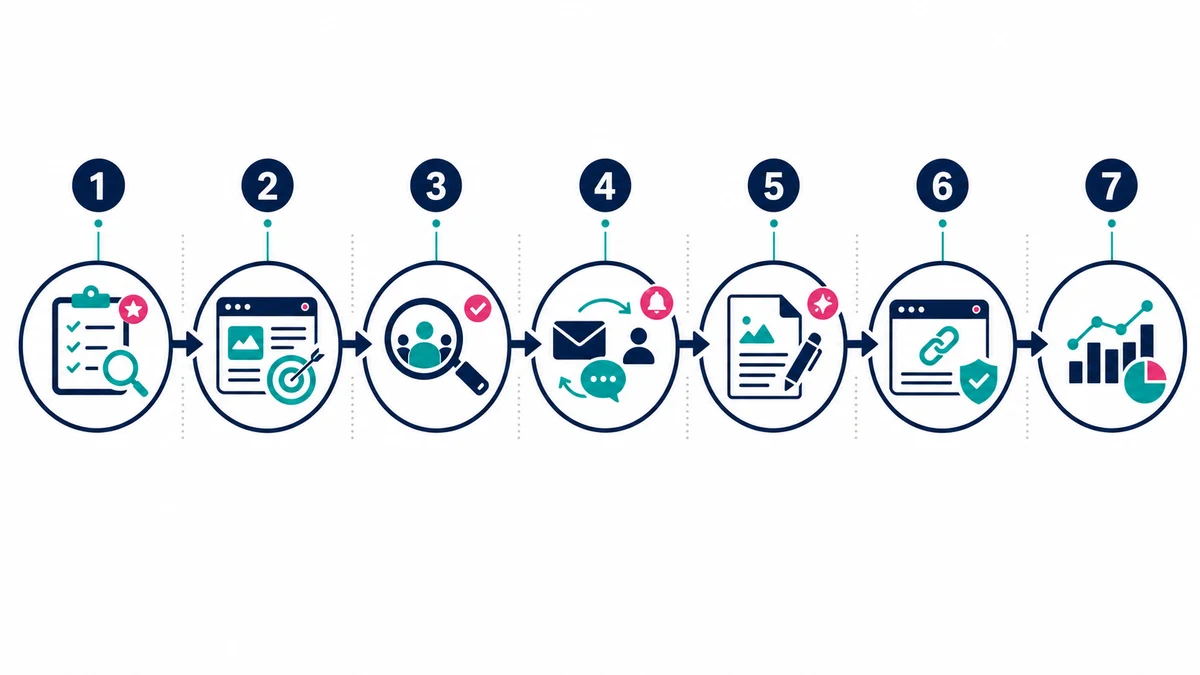
| Stage | Provider work | Buyer decision |
|---|---|---|
| 1. Review | Understand the site, existing backlinks, target markets, competitors, and technical or content constraints. | Share accurate access, priorities, past campaigns, and pages that should or should not be promoted. |
| 2. Strategy | Select target pages, link methods, content assets, markets, and a realistic delivery sequence. | Approve the objective and how success will be measured beyond link count. |
| 3. Prospecting | Find publishers, journalists, resource owners, partners, or existing pages that fit the method. | Set relevance, traffic, editorial, and brand standards. |
| 4. Outreach | Contact the right people, pitch useful ideas, negotiate terms, and track responses. | Decide whether provider-led outreach or direct publisher selection offers enough control. |
| 5. Content | Create or improve the article, asset, quote, pitch, or on-site resource needed to earn the placement. | Confirm who supplies expertise, sources, review, and final approval. |
| 6. Placement QA | Check the live page, context, anchor, target, attribute, indexability, and agreed editorial terms. | Define what counts as correct delivery and how a variance will be handled. |
| 7. Reporting | Provide live URLs, status, costs, evidence, changes, and next recommendations. | Connect placement data with target-page, referral, and business outcomes. |
Video reference
See a Publisher Prospect List Become an Outreach Shortlist
This official Ahrefs tutorial shows the prospecting side of guest posting at scale. A service still has to narrow that list by audience, content fit, organic visibility, and editorial quality before presenting a recommendation.
Prospecting creates options. Review turns those options into a shortlist.
Why Businesses Use Link Building Services
Good link acquisition requires several kinds of work: research, editorial judgment, writing, outreach, negotiation, project management, and quality assurance. Many teams have one or two of those capabilities but not enough time or publisher access to run the whole process consistently.
A service can add capacity, specialist knowledge, and a repeatable workflow. It can also help agencies fulfil client work without building a large internal department. The tradeoff is control. The more work a provider owns, the more clearly the buyer needs to understand publisher selection, content approval, cost, and reporting.
Outsourcing does not remove the need for a sound website, useful target pages, internal links, or a clear business goal. A provider can create opportunities; it cannot make a weak destination useful or decide the brand’s priorities without input.
Types of Link Building Services
| Service | How it works | Best fit | Review carefully |
|---|---|---|---|
| Guest posting | A new article is pitched or coordinated with a relevant publisher. | Campaigns needing editorial context, a byline, or new topical coverage. | Publisher fit, article quality, anchor context, authorship, and final URL. |
| Link insertions | A relevant link is added to a suitable existing page. | Faster placement on an established article when the destination genuinely helps. | Page freshness, existing traffic, editorial change, and surrounding links. |
| Digital PR | Stories, data, expert commentary, or creative assets are pitched to journalists and media. | Brands with news, original research, authority, or a strong public angle. | Outcome variability, asset quality, newsworthiness, and attribution. |
| Manual outreach | The provider researches and contacts publication owners, editors, resource pages, or partners. | Custom campaigns that need relationships and niche-specific prospecting. | Prospect sources, pitch quality, contact practices, and response reporting. |
| White-label service | A specialist fulfils link work under an agency’s client process. | Agencies needing capacity, consistent QA, and client-ready reports. | Approval controls, margins, confidentiality, replacements, and ownership. |
| Publisher marketplace | The buyer filters and chooses from available publisher opportunities. | Teams that want direct selection, clear comparison, and faster ordering. | Every publisher still needs manual relevance and editorial review. |
Methods can be combined. The plan should explain why each method suits the target page rather than using the same product for every campaign.
What a Good Link Building Service Should Include
| Area | A useful service explains | Evidence or control |
|---|---|---|
| Strategy | Why the target pages, markets, methods, and campaign sequence were chosen. | A written brief, baseline, target-page map, and review cadence. |
| Publisher QA | How relevance, traffic, content, authorship, outbound links, and availability are checked. | Approval rights and a record similar to the 25-point guest-post checklist. |
| Anchor planning | How wording follows the sentence, destination, and broader link profile. | A target-page and anchor record using natural anchor principles. |
| Content | Who researches, writes, edits, sources, and approves each contribution. | Original drafts, named reviewers, revision limits, and editorial ownership. |
| Reporting | Which data appears in each report and how the team handles pending or changed placements. | Live URL, target, anchor, attribute, publication date, cost, status, and notes. |
| Link changes | What happens if a page, link, anchor, or attribute changes after delivery. | A written monitoring period, correction route, and definition of an equivalent replacement. |
| Communication | Who owns decisions, approvals, updates, and escalations. | Named contacts, response expectations, and a regular review schedule. |
A provider should be able to explain a complex process in plain language. Vague answers often hide vague work.
What Makes a Link Building Service Risky?
Risk increases when the provider sells volume without context, hides where links come from, uses the same anchors and tactics for every client, or treats content as packaging around a backlink. The sales page may sound sophisticated while the delivery depends on a small, repetitive network.
| Pattern | Why it matters | What to ask |
|---|---|---|
| Fixed link volume first | The package is designed before target pages, competition, or content needs are understood. | How was this quantity chosen for our site? |
| Hidden publisher sources | The buyer cannot review relevance, content, or link neighborhood before approval. | When can we see and approve each publisher? |
| Metric-only selling | DA, DR, or traffic replaces a review of the actual publication and page. | Which relevant pages and audiences support the recommendation? |
| Template content and anchors | Every article and link starts to look like a delivery unit rather than editorial work. | Who creates the angle and how is originality reviewed? |
| No live QA | Links may point to the wrong page, use the wrong anchor or attribute, or sit on a changed article. | Who checks delivery and handles corrections? |
Use the toxic backlink review and safe link-building framework when an existing campaign has already produced questionable placements.
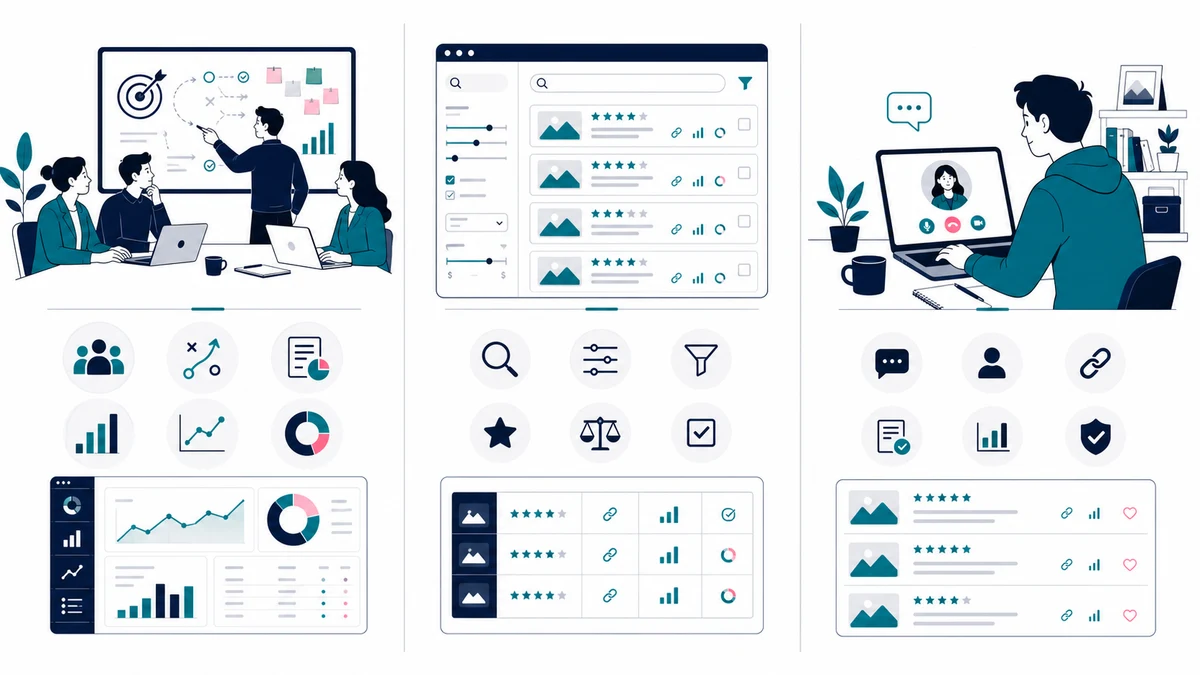
Link Building Agency vs Marketplace vs Freelancer
| Model | Best suited to | Main advantage | Review carefully |
|---|---|---|---|
| Agency | Brands needing strategy, production, outreach, and coordinated reporting. | A managed process with several specialist roles. | Publisher transparency, approval rights, pricing, staffing, and quality controls. |
| Marketplace | In-house teams and agencies that want to compare and approve publishers directly. | Control over niche, market, authority, traffic, timing, and price in the publisher marketplace. | The buyer still owns strategy, publisher review, content, and final selection. |
| Freelancer | Smaller campaigns or a defined specialty such as outreach, PR, research, or writing. | Direct communication and flexible scope. | Capacity, backup coverage, reporting consistency, access, and replacement terms. |
The best model can change by campaign. A company may use an agency for strategy, a marketplace for approved publisher selection, and a specialist writer for a technical contribution. Ownership matters more than the label.
How Much Do Link Building Services Cost?
Pricing varies with the service model, niche, publisher access, content depth, outreach effort, market, approval controls, reporting, and the provider’s management layer. A marketplace placement, a single freelancer project, and a managed multi-method campaign are not comparable products even when all three deliver backlinks.
Ask for the full cost and the full scope. Does the quote include research, writing, editing, publisher fees, revisions, reporting, monitoring, and replacements? Which work remains with your team? A lower headline price can cost more once those missing tasks are added.
Use the link-building service pricing guide for campaign economics and the guest-post pricing guide when comparing one placement.
How to Choose a Link Building Service
| Step | What to do | Useful output |
|---|---|---|
| 1. Define the job | List goals, target pages, markets, internal capacity, constraints, and preferred methods. | A brief every provider receives in the same form. |
| 2. Review the process | Ask the provider to explain discovery, QA, content, approvals, delivery, and reporting. | A workflow with clear owners and handoffs. |
| 3. Test quality standards | Use real example sites and ask why they would be approved or rejected. | Evidence of judgment beyond sales language. |
| 4. Inspect work | Review sample reports, content, placements, and anonymized decision records. | Proof that the promised process appears in delivery. |
| 5. Confirm scope and terms | Document pricing, approvals, attributes, timing, changes, corrections, and replacements. | A contract or order brief without material gaps. |
| 6. Start with a reviewable pilot | Use enough work to test the full process without committing the entire budget. | A measured decision about quality, communication, and fit. |
Questions to Ask Before Hiring a Link Building Service
| Topic | Questions |
|---|---|
| Strategy | How will you choose target pages, methods, markets, and campaign pace for this site? |
| Publishers | Where do prospects come from? Can we approve them? Which evidence supports each recommendation? |
| Content | Who researches, writes, edits, sources, and owns final approval? How is our expertise captured? |
| Links | How are context, anchor wording, target, attribute, and live placement checked? |
| Reporting | Which fields, costs, status changes, and outcomes appear in reports? How often do we review them? |
| Changes | What happens when a link, page, publisher, anchor, or delivery date changes? |
| Commercial terms | What is included, excluded, refundable, replaceable, and dependent on third-party availability? |
The quality of an answer matters more than the confidence of the person giving it. Ask for examples and written terms where the decision affects delivery.
Red Flags to Avoid
| Red flag | What it often hides |
|---|---|
| 1. Ranking promises | A sales claim tied to outcomes the provider does not fully control. |
| 2. Huge fixed packages | Volume chosen before target pages, competition, and quality standards are understood. |
| 3. No publisher transparency | Limited approval rights or repeated use of an undisclosed network. |
| 4. DA-only selling | No review of relevant traffic, content, authorship, or outbound links. |
| 5. No relevance check | The same inventory is treated as suitable for every client. |
| 6. Repeated exact-match anchors | A delivery template that ignores sentence context and the wider profile. |
| 7. Weak content samples | Articles produced to house links rather than serve readers. |
| 8. Incoherent publisher sites | Open acceptance of unrelated commercial posts with little editorial control. |
| 9. No reporting detail | Delivery cannot be checked against the brief or traced later. |
| 10. No strategy | Links are purchased as isolated units with no target-page or business purpose. |
The EduGuestPost Provider Selection Brief
Use one brief for every shortlisted provider so proposals can be compared on the same work. This is a buying record, not a ranking formula.
| Brief section | What to record |
|---|---|
| Business context | Offer, target audience, markets, competitors, conversion pages, and commercial priorities. |
| SEO context | Target pages, topic clusters, current backlinks, internal links, technical constraints, and known risks. |
| Service scope | Methods, expected work, quantity ranges, publisher approval, content ownership, and exclusions. |
| Quality standard | Relevance, traffic, editorial, authorship, outbound-link, indexability, and brand-fit evidence. |
| Delivery terms | Target, anchor range, attributes, timing, price, availability, revisions, corrections, and replacements. |
| Reporting | Fields, review frequency, status definitions, live QA, monitoring, and responsibility for follow-up. |
| Pilot decision | What the first project must prove before budget or volume increases. |
The brief reveals whether two proposals are actually comparable. It also makes onboarding faster because the provider receives the constraints and decision rights before work starts.
A Safer Way to Choose a Link Building Service
Choose the service after defining the work, not before. Decide which target pages matter, what your team can own, how much publisher control you need, and which evidence must accompany every recommendation. Then compare providers against the same brief.
A professional service should make decisions easier to inspect. You should know why a method was chosen, why a publisher fits, who created the content, what was delivered, and what happens when the live page changes.
Start with a reviewable pilot, hold the quality standard steady, and expand only when the process works. When you are ready to compare current EduGuestPost options, use the services hub or request a campaign review through the order form.
FAQs About Link Building Services
What are link building services?
Link building services help businesses earn or acquire backlinks from other websites through tactics like guest posting, link insertions, digital PR, outreach, resource page placements, and content promotion.
Are link building services worth it?
They can be worth it if the provider builds relevant, high-quality backlinks with transparent reporting and natural anchor text. Low-quality services that sell random links are usually not worth it.
Are link building services safe?
Link building services can be safe when they follow quality standards, choose relevant websites, avoid spammy tactics, and create useful content. They become risky when they use link farms, automated links, or manipulative patterns.
What is the best type of link building service?
The best type depends on your goal. Guest posting is good for content-based backlinks and brand visibility. Link insertions can be faster. Digital PR can build authority. Marketplaces offer control and speed.
How much do link building services cost?
Costs vary by niche, link type, website quality, traffic, authority, content creation, and service level. Managed services usually cost more because they include strategy, outreach, writing, and reporting.
Should I hire a link building agency or use a marketplace?
Use an agency if you want a managed process. Use a marketplace if you want more control over publisher selection. Both can work if quality checks are strong.
What should I ask a link building provider?
Ask about tactics, website quality checks, traffic requirements, content creation, anchor strategy, link attributes, reporting, replacement policy, timelines, and sample placements.
Are guest posting services the same as link building services?
Guest posting services are one type of link building service. Link building can also include digital PR, link insertions, resource outreach, broken link building, brand mention reclamation, and partnerships.
What are the biggest link building service red flags?
Red flags include inflated ranking claims, huge cheap link packages, no transparency, no relevance checks, exact-match anchor abuse, low-quality content, spammy publisher sites, and no reporting.
Can link building services promise rankings?
No reliable provider should promise specific rankings. Link building can support SEO, but rankings depend on many factors, including content quality, competition, technical SEO, internal links, and search intent.
Research Behind This Link Building Services Guide
These resources informed the provider, workflow, service-model, and due-diligence sections above.
Need Publisher Options for This Campaign?
Share your target pages, market, preferred methods, and current campaign constraints. We will recommend a service scope and reviewed publisher path for your team.